Australian Timber Yard
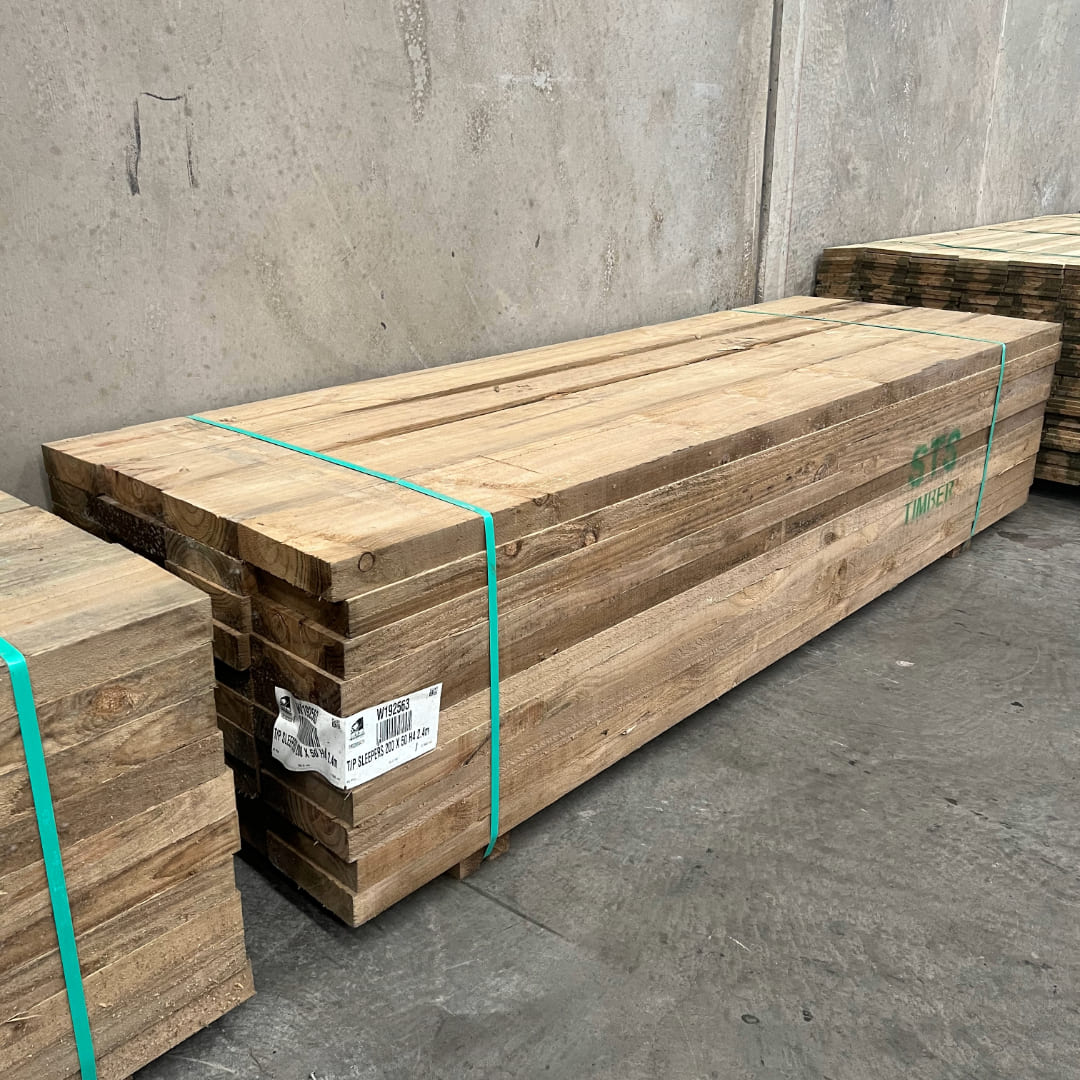
H4 Treated Pine Sleepers 200x50mm
H4 Treated Pine Sleepers 200x50mm
Transform your outdoor space with high-quality fencing supplies perfect for any landscaping project. Whether you're building retaining walls or designing beautiful garden beds, treated pine sleepers from Bunnings offer a durable and versatile solution. Ideal for both DIY enthusiasts and professional landscapers, our range of materials will help you create a functional and stylish garden that lasts.
Transform Your Garden: The Ultimate Guide to Treated Pine Sleepers for Stunning Garden Beds and Retaining Walls from Bunnings!
Transforming your garden into a stunning outdoor oasis has never been easier with treated pine sleepers from Bunnings. These versatile and durable timber sleepers are the perfect foundation for creating beautiful garden beds and retaining walls that not only enhance your landscape but also provide functional solutions for soil management. Whether you’re a seasoned gardener or a DIY enthusiast, this ultimate guide will walk you through everything you need to know about using treated pine sleepers to elevate your garden aesthetics. From planning and design tips to installation techniques and maintenance advice, discover how these rustic yet refined elements can bring your vision to life. Say goodbye to uninspiring spaces and hello to a vibrant, structured landscape that reflects your style and enhances your outdoor experience. Get ready to roll up your sleeves and embark on a transformative gardening journey that marries beauty with practicality!
Benefits of Using Treated Pine Sleepers in Your Garden
Treated pine sleepers are a popular choice for garden enthusiasts due to their durability and versatility. One of the primary benefits of using treated pine sleepers is their resistance to rot and insect damage, which ensures that your garden structures will last for many years. The treatment process involves infusing the timber with preservatives, which significantly extends its lifespan compared to untreated wood. This makes them an economical choice in the long run, as you won’t need to replace them as frequently.
Another significant advantage of treated pine sleepers is their ease of use. They are relatively lightweight compared to other materials like concrete, making them easier to handle and install. This is particularly beneficial if you are undertaking a DIY project, as it simplifies the construction process and reduces the need for heavy lifting equipment. Additionally, treated pine sleepers can be easily cut and shaped to fit your specific design requirements, allowing for greater flexibility in your garden projects.
Aesthetically, treated pine sleepers offer a natural, rustic look that complements a wide range of garden styles. Whether you prefer a traditional cottage garden or a modern minimalist design, these sleepers can be integrated seamlessly into your landscape. They can be left to weather naturally, developing a beautiful silver-grey patina over time, or you can stain or paint them to match your desired color scheme. This adaptability makes treated pine sleepers an excellent choice for anyone looking to create a cohesive and attractive garden space.
Choosing the Right Treated Pine Sleepers from Local Fencing Supplies Melbourne
When selecting treated pine sleepers from local fencing supplies in Melbourne, it’s essential to consider the specific requirements of your garden project. Treated pine sleepers come in various sizes and grades, each suited to different applications. For garden beds, you might opt for sleepers with a smaller cross-section, as they are easier to handle and provide sufficient support for the soil and plants. On the other hand, for retaining walls, you’ll need sturdier sleepers with a larger cross-section to withstand the pressure from the soil behind them.
Another factor to consider is the treatment level of the pine sleepers. Fencing supplies offer sleepers that are treated to different levels of protection, indicated by H-class ratings. For garden projects, H4 treated pine sleepers are typically recommended as they are designed for ground contact and provide excellent resistance to decay and termites. If you are constructing retaining walls that will be in constant contact with soil and moisture, H5-treated sleepers may be a better option due to their higher level of protection.
It’s also important to inspect the sleepers for quality before making a purchase. Look for sleepers that are straight, with minimal warping or splitting. While some imperfections are natural in timber products, excessive defects can compromise the structural integrity of your garden beds or retaining walls. Fencing Supplier provides a range of treated pine sleepers sourced from reputable manufacturers, ensuring you receive a high-quality product that will perform well in your garden.
Essential Tools and Materials for Your Garden Project
To successfully build garden beds and retaining walls with treated pine sleepers, you’ll need a variety of tools and materials. First and foremost, ensure you have the necessary safety equipment, including gloves, goggles and ear protection, to protect yourself during the construction process. Working with timber can produce splinters and dust, so it’s important to take appropriate precautions.
The primary tools you’ll need include a saw for cutting the sleepers to size, a drill for creating pilot holes and driving screws, and a level to ensure your structures are even. A tape measure and pencil are essential for marking out your cuts and ensuring accurate measurements. Depending on the complexity of your project, you may also require additional tools such as a circular saw, spirit level, square, and clamps to hold the timber in place while you work.
In addition to the sleepers themselves, you’ll need a range of materials to complete your garden project. Galvanised screws or nails are essential for joining the sleepers together, as they are resistant to rust and corrosion. For retaining walls, you may need additional support in the form of posts or steel reinforcing rods, which can be driven into the ground to provide extra stability. Gravel or crushed rock can be used to create a base layer for your structures, improving drainage and preventing the timber from sitting directly on the soil. Finally, consider using a timber preservative or sealant to treat the cut ends of the sleepers, ensuring they remain protected from moisture and decay.
Step-by-Step Guide to Building Garden Beds with Treated Pine Sleepers
Building garden beds with treated pine sleepers is a straightforward and rewarding project that can greatly enhance the functionality and aesthetics of your garden. Begin by planning the layout and dimensions of your garden beds. Consider the size and shape of your space, as well as the types of plants you intend to grow. Raised garden beds are particularly beneficial for improving drainage and soil quality, making them ideal for vegetable gardens and flower beds.
Once you have your plan in place, mark out the area where your garden beds will be located. Use stakes and string to outline the perimeter, ensuring the lines are straight and the corners are square. Next, measure and cut your treated pine sleepers to the desired lengths. If your design includes multiple tiers or levels, be sure to account for the additional height when cutting your sleepers.
Begin constructing the garden bed by laying the base sleepers in place. Check that they are level and adjust as necessary by adding or removing soil. Once the base is secure, drill pilot holes and use galvanised screws to join the sleepers at the corners. Continue adding layers, securing each one with screws or nails, until you reach the desired height. For added stability, consider reinforcing the corners with metal brackets or wooden stakes driven into the ground.
After constructing the frame of your garden bed, fill it with a high-quality soil mix suitable for your plants. Consider incorporating organic matter such as compost or manure to improve soil fertility. Once filled, you can begin planting your garden, taking care to space the plants appropriately and water them regularly. With your new garden beds in place, you’ll enjoy the benefits of improved growing conditions and a more organised and attractive garden space.
Creating Retaining Walls: Techniques and Tips
Retaining walls serve both functional and aesthetic purposes in a garden, helping to manage soil erosion, create level planting areas, and define garden spaces. Building retaining walls with treated pine sleepers is a practical and visually appealing solution that can be achieved with careful planning and execution. Begin by assessing the area where the retaining wall will be constructed, taking note of the slope, soil type and drainage requirements.
Start by excavating a trench along the base of the slope where the retaining wall will be situated. The depth of the trench should be approximately one-third of the height of the wall to ensure stability. Fill the trench with a layer of gravel or crushed rock to provide a stable foundation and improve drainage. Compact the gravel layer using a tamper or plate compactor to create a solid base for the sleepers.
Lay the first row of sleepers in the trench, ensuring they are level and aligned with the desired wall direction. Drill pilot holes and secure the sleepers together using galvanised screws or nails. For taller retaining walls, consider using metal reinforcing rods or wooden posts driven into the ground behind the wall to provide additional support. As you build each successive row, offset the joints to create a staggered pattern, which enhances the structural integrity of the wall.
To further reinforce the retaining wall, you can use geotextile fabric or drainage pipes to manage water flow and prevent soil from washing out. Place the fabric or pipes behind the wall and backfill with gravel or crushed rock before adding soil. This will help to reduce hydrostatic pressure and prolong the life of the retaining wall. Once the wall is complete, you can backfill the area with soil and plant your desired vegetation, creating a beautifully structured and functional garden space.
Design Ideas for Stunning Garden Beds and Retaining Walls
Incorporating treated pine sleepers into your garden design opens up a world of creative possibilities. One popular design idea is to create tiered garden beds, which add visual interest and allow for diverse planting arrangements. By building multiple levels, you can plant a variety of flowers, herbs, and vegetables, each benefiting from optimal sunlight and drainage conditions. Tiered garden beds also make it easier to access and maintain your plants, reducing the need for bending and reaching.
Another innovative design concept is to use treated pine sleepers to create curved or circular garden beds. This can add a dynamic and organic feel to your garden, breaking away from the traditional rectangular shapes. Curved garden beds can be used to frame focal points such as water features, statues, or seating areas, creating a harmonious and inviting space. To achieve smooth curves, you can cut the sleepers into shorter lengths and join them at slight angles, gradually forming the desired shape.
For retaining walls, consider incorporating built-in seating or planters to maximise the functionality of your garden. By extending the top row of sleepers outward, you can create a comfortable seating area that doubles as a retaining wall. This is particularly useful in smaller gardens where space is limited, as it provides a practical solution for both seating and soil retention. Adding planters along the top of the retaining wall can soften the appearance and create a seamless integration of plants and hardscape elements.
Mixing materials can also enhance the aesthetic appeal of your garden beds and retaining walls. Combining treated pine sleepers with natural stone, bricks or metal accents can create a visually striking contrast and add texture to your garden. For example, you could use stone or brick edging to define the borders of your garden beds, while the treated pine sleepers form the main structure. This layered approach adds depth and dimension to your garden design, creating a unique and personalised outdoor space.
Maintenance Tips for Timber Sleepers
To ensure the longevity and beauty of your high-quality timber sleepers, regular maintenance is essential. One of the most important maintenance tasks is to inspect your sleepers periodically for signs of damage or decay. Look for cracks, splits or areas where the treatment may have worn off, as these can compromise the structural integrity of your garden beds or retaining walls. Address any issues promptly by repairing or replacing damaged sleepers to prevent further deterioration.
Cleaning your treated pine sleepers is another crucial aspect of maintenance. Over time, dirt, algae, and mildew can accumulate on the surface, detracting from their appearance and potentially causing rot. Use a stiff brush and a mild detergent solution to scrub away any build-up, rinsing thoroughly with water. For more stubborn stains or algae growth, a pressure washer can be effective, but be sure to use a low-pressure setting to avoid damaging the timber.
Applying a protective sealant or stain to your treated pine sleepers can help to preserve their appearance and extend their lifespan. Choose a product specifically designed for use on treated timber, and follow the manufacturer’s instructions for application. A sealant will create a barrier against moisture and UV damage, while a stain can enhance the natural color of the timber or add a desired hue to match your garden design. Reapply the sealant or stain every few years, or as needed, to maintain optimal protection.
Proper drainage is also vital for the health of your treated pine sleepers. Ensure that water does not pool around the base of your garden beds or retaining walls, as prolonged exposure to moisture can lead to rot and decay. Incorporate gravel or crushed rock beneath the sleepers and use drainage pipes or geotextile fabric to manage water flow. By keeping your sleepers dry and well-ventilated, you can significantly reduce the risk of moisture-related damage.
Common Mistakes to Avoid When Using Treated Pine Sleepers
While treated pine sleepers are a versatile and durable choice for garden projects, there are some common mistakes to avoid to ensure successful results. One frequent error is failing to properly plan and measure before starting construction. Accurate measurements and a well-thought-out design are crucial for ensuring that your garden beds or retaining walls are level, stable, and visually appealing. Take the time to plan your layout, mark out the area, and double-check your measurements before cutting and assembling the sleepers.
Another mistake is neglecting to use appropriate fasteners and reinforcements. Using non-galvanised screws or nails can lead to rust and corrosion, compromising the strength of your structures. Always opt for galvanised or stainless steel fasteners, which are resistant to rust and suitable for outdoor use. Additionally for taller retaining walls or complex designs, ensure that you incorporate reinforcements such as metal rods or posts to provide extra support and prevent shifting or collapse.
Improper drainage is a common issue that can lead to the premature deterioration of treated pine sleepers. Without adequate drainage, water can accumulate around the base of your garden beds or retaining walls, causing the timber to rot. To avoid this, always include a layer of gravel or crushed rock beneath the sleepers and consider installing drainage pipes or geotextile fabric to manage water flow. Ensuring proper drainage will help to maintain the integrity and longevity of your structures.
Finally, neglecting regular maintenance can result in unnecessary damage and reduced lifespan of your treated pine sleepers. Regularly inspect, clean and treat your sleepers to keep them in optimal condition. Address any issues promptly and reapply protective sealants or stains as needed. By staying proactive with maintenance, you can enjoy the beauty and functionality of your treated pine sleepers for many years to come.
Conclusion and Final Thoughts on Transforming Your Garden
Transforming your garden with treated pine sleepers from Bunnings is a rewarding and achievable project that can enhance the beauty and functionality of your outdoor space. Whether you’re building garden beds, retaining walls or incorporating unique design elements, treated pine sleepers offer a versatile and durable solution that can withstand the test of time. By carefully selecting the right sleepers, using appropriate tools and materials, and following best practices for construction and maintenance, you can create a stunning garden that reflects your style and meets your gardening needs.
Remember to plan your project thoroughly, take accurate measurements, and use quality fasteners and reinforcements to ensure stability and longevity. Incorporate proper drainage to protect your sleepers from moisture damage, and stay vigilant with regular maintenance to keep them looking their best. With these tips and techniques, you can confidently embark on your gardening journey and create a vibrant, structured landscape that you’ll enjoy for years to come.
So, roll up your sleeves, gather your tools, and head to Bunnings to pick up your treated pine sleepers. With a little effort and creativity, you can transform your garden into a stunning oasis that enhances your outdoor experience and brings your vision to life. Happy gardening!
Descriptions
Descriptions
Discover our H4 treated pine sleepers 200x50mm for your next landscaping project. Treated pine sleepers are essential for the garden due to their durability and resistance to decay and pests.
They are ideal for building garden retaining walls, raised garden beds and other outdoor structures. Combining strength with natural beauty, these pine sleepers are the perfect choice for outdoor applications where performance and aesthetics matter.
Materials
Materials
H4-Australian Standard AS1607.
CCA ACQ Treatment.
Share