Australian Timber Yard
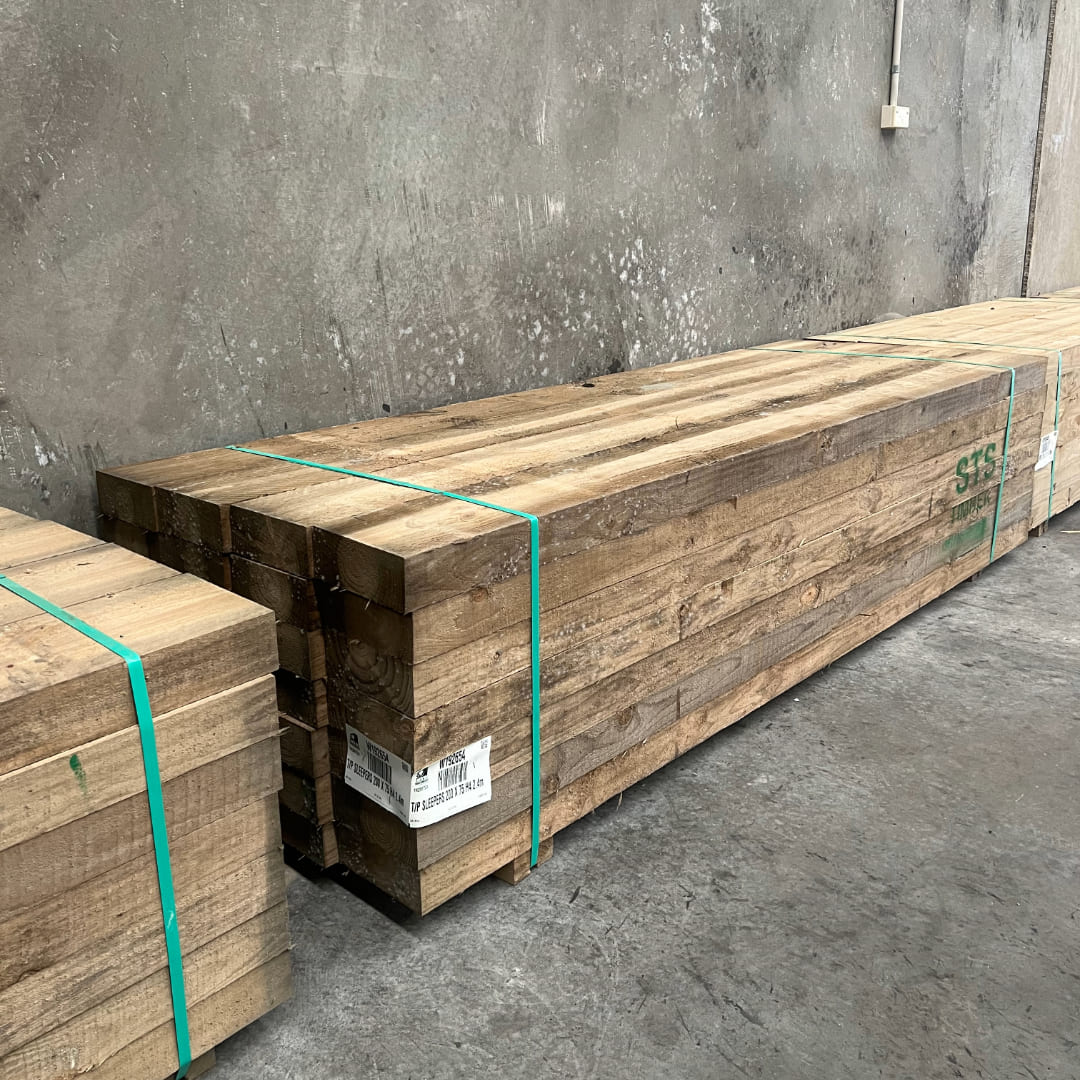
H4 Treated Pine Sleepers 200x75mm
H4 Treated Pine Sleepers 200x75mm
Create the outdoor space you've always wanted with top-quality fencing supplies and materials. Whether you're constructing sturdy retaining walls or building raised garden beds, treated pine sleepers from Bunnings offer the strength and durability needed for lasting results. Ideal for both residential and commercial landscaping projects.
Transform Your Outdoor Space: The Ultimate Guide to Raised Garden Beds with Treated Pine Sleepers and Essential Supplies from Bunnings
Are you ready to breathe new life into your outdoor space? If so, creating a raised garden bed using treated pine sleepers could be your ideal solution. This ultimate guide will unlock the secrets to transforming your garden into a vibrant oasis where you can grow your favorite flowers, herbs and vegetables. Imagine the joy of harvesting your homegrown produce right from your own backyard!
With essential supplies from Bunnings and practical tips on design, construction and maintenance, this article will walk you step-by-step through the process. Not only do raised garden beds enhance the aesthetics of your outdoor area, but they also provide numerous benefits for your plants, including improved drainage and easier access for gardening tasks. Whether you are a seasoned gardener or just beginning your green journey, this guide will equip you with all the knowledge you need to create a stunning and productive raised garden bed. Let’s get started on your dream garden today!
Benefits of Using Treated Pine Sleepers
Treated pine sleepers are an excellent choice for building raised garden beds due to their durability and resistance to decay. The treatment process involves infusing the wood with preservatives that protect against termites and fungal decay, ensuring that your garden bed lasts for many years to come. This longevity is particularly important for raised garden beds, which are typically exposed to constant moisture and soil contact. By using treated pine sleepers, you can avoid the hassle and cost of frequent replacements.
In addition to their durability, high-quality treated pine sleepers are also easy to work with. Their uniform size and shape make them ideal for constructing garden beds with clean, straight edges. This ease of use is especially beneficial for DIY enthusiasts who may not have extensive carpentry skills. With treated pine sleepers, you can quickly and efficiently build a sturdy and attractive garden bed that enhances the overall appearance of your outdoor space.
Moreover, treated pine sleepers are an environmentally friendly option. Many treated pine products are sourced from sustainably managed forests, ensuring that your gardening project has a minimal environmental impact. By choosing treated pine sleepers, you are supporting sustainable forestry practices and contributing to the preservation of natural resources. This is a significant advantage for environmentally conscious gardeners who want to create beautiful outdoor spaces while minimizing their ecological footprint.
Choosing the Right Location for Your Garden Bed
Selecting the perfect location for your raised garden bed is crucial for the success of your gardening endeavors. First and foremost, you need to consider the amount of sunlight the area receives throughout the day. Most vegetables, herbs, and flowering plants require at least six to eight hours of direct sunlight to thrive. Therefore, choose a spot that is not shaded by buildings, trees or other structures for the majority of the day.
Another important factor to consider is the proximity to a water source. While raised garden beds can improve drainage, they still need regular watering to maintain healthy plant growth. Positioning your garden bed near a hose or water supply will make it easier to keep your plants adequately hydrated, especially during hot summer months. This convenience can save you time and effort, allowing you to focus more on enjoying your garden rather than maintaining it.
Additionally, think about the accessibility of the location. Raised garden beds are designed to make gardening tasks more manageable by reducing the need to bend or kneel. Ensure that there is enough space around the garden bed for you to move comfortably while planting, weeding and harvesting. Accessibility is particularly important if you have limited mobility or plan to involve children in gardening activities. By choosing a location that is easily accessible, you can create a more enjoyable and inclusive gardening experience for everyone involved.
Essential Sleepers Supplier from Bunnings for Building Raised Garden Beds
Bunnings is a one-stop shop for all the supplies you need to build a raised garden bed. One of the first items on your list should be treated pine sleepers. These sleepers come in various sizes, so you can choose the dimensions that best suit your garden space. Bunnings offers a range of treated pine sleepers that are both durable and affordable, making them an excellent choice for your project.
In addition to the sleepers, you will need galvanized screws or nails to secure the structure. Galvanized fasteners are resistant to rust and corrosion, which is essential for the longevity of your garden bed. Bunnings stocks a variety of galvanized screws and nails, so you can find the right size and type for your construction needs. A power drill or hammer will also be necessary for assembling the sleepers and Bunnings has a wide selection of these tools to choose from.
Other essential supplies include a level to ensure that your garden bed is even and stable, a measuring tape for accurate dimensions, and a saw for cutting the sleepers to size if necessary. Sleepers Bunnings provide all these tools and more, making it easy to gather everything you need in one trip. Additionally, you may want to consider purchasing landscape fabric to line the bottom of your garden bed. This fabric helps prevent weeds from growing while allowing water to drain efficiently. Bunnings carries a variety of landscape fabric options to suit your specific requirements.
Step-by-Step Guide to Constructing Your Raised Garden Bed
Constructing a raised garden bed is a manageable DIY project that can be completed over a weekend. Here’s a step-by-step guide to help you build your garden bed using treated pine sleepers.
Plan Your Layout
Measure the area where you want to place your garden bed and determine the dimensions that will fit best. Sketch a simple plan to visualize the layout and make any necessary adjustments before you start building.
Prepare the Site
Clear the area of any grass, weeds, or debris. If the ground is uneven, level it as much as possible to ensure a stable foundation for your garden bed. Lay down landscape fabric to prevent weed growth and improve drainage.
Assemble the Frame
Cut the treated pine sleepers to the desired length using a saw. Lay the sleepers out on the ground to form the frame of your garden bed. Use a level to check that each sleeper is even and adjust as needed. Secure the corners with galvanized screws or nails using a power drill or hammer. For added stability, you can use metal brackets at the corners.
Reinforce the Structure
Depending on the size of your garden bed, you may need to add additional sleepers to reinforce the sides. This is especially important for larger beds to prevent the sides from bowing outward under the weight of the soil. Secure the additional sleepers with galvanized screws or nails.
Fill with Soil
Once the frame is complete, fill the garden bed with high-quality soil. A mix of garden soil, compost, and organic matter will provide the nutrients your plants need to thrive. Level the soil inside the bed and water it thoroughly to help it settle.
With these steps, you can construct a sturdy and attractive raised garden bed that will provide a perfect environment for your plants.
Soil Selection and Preparation for Optimal Growth
Choosing the right soil is crucial for the success of your raised garden bed. The soil should be rich in nutrients, well-draining, and free of contaminants. A good starting point is a high-quality garden soil mix, which you can purchase from Bunnings. Look for a mix that contains organic matter, such as compost or aged manure, to provide essential nutrients for your plants.
In addition to garden soil, you can enhance the nutrient content by adding compost. Compost improves soil structure, increases moisture retention, and provides a slow-release source of nutrients. You can purchase compost from Bunnings or make your own using kitchen scraps, yard waste, and other organic materials. Mix the compost thoroughly with the garden soil to ensure even distribution of nutrients.
Another important consideration is soil pH. Most plants prefer a slightly acidic to neutral pH range (6.0 to 7.0). You can test the soil pH using a simple pH testing kit available at Bunnings. If the pH is too high or too low, you can amend the soil with lime (to raise pH) or sulfur (to lower pH). Follow the instructions on the packaging for the appropriate amount to use.
Proper soil preparation is essential for optimal plant growth. Before planting, loosen the soil to a depth of at least 12 inches to encourage root development. Remove any large rocks or debris that could impede root growth. After preparing the soil, water it thoroughly to help it settle and eliminate air pockets.
Planting Tips for Your Raised Garden Bed
Successful planting requires careful planning and attention to detail. Start by selecting plants that are well-suited to your climate and growing conditions. Consider factors such as sunlight, temperature, and moisture requirements when choosing plants for your raised garden bed. Bunnings offers a wide variety of seeds and seedlings, making it easy to find the perfect plants for your garden.
When planting, follow the spacing recommendations on the seed packets or plant labels. Proper spacing is essential to ensure that plants have enough room to grow and receive adequate sunlight and air circulation. Overcrowding can lead to poor growth and increased susceptibility to pests and diseases.
Planting depth is another important consideration. As a general rule, plant seeds at a depth of two to three times their diameter. For seedlings, dig a hole large enough to accommodate the root ball and position the plant at the same depth it was growing in its original container. Gently firm the soil around the roots and water thoroughly to help the plants establish.
Mulching is an effective way to retain soil moisture, suppress weeds, and regulate soil temperature. Apply a 2- to 3-inch layer of organic mulch, such as straw, wood chips, or shredded leaves, around the plants. Be sure to keep the mulch a few inches away from the plant stems to prevent rot and pest issues.
Regular watering is essential for healthy plant growth. Water deeply and consistently, aiming to keep the soil evenly moist but not waterlogged. The frequency and amount of water will depend on factors such as plant type, weather conditions, and soil drainage. Monitor your plants for signs of stress, such as wilting or yellowing leaves, and adjust your watering schedule as needed.
Maintenance Tips for Long-lasting Retaining Walls
Proper maintenance is essential for ensuring the longevity and performance of your retaining walls. Regular inspections are crucial for identifying potential issues before they become significant problems. Check for signs of cracking, bulging or shifting, which can indicate structural issues. Additionally, inspect drainage systems to ensure they are functioning correctly and not clogged with debris.
Cleaning your retaining wall is another important maintenance task. Over time, dirt, algae, and other debris can accumulate on the surface, leading to staining and deterioration. Depending on the material of your wall, you can use a pressure washer, mild detergent, or specialized cleaning products to keep it looking its best. For natural stone walls, be cautious with pressure washing, as it can cause damage to the stone's surface.
Addressing any repairs promptly is crucial for preventing further damage. Small cracks or loose stones can quickly escalate into more significant issues if left unattended. For concrete walls, use a suitable patching compound to fill cracks, and for stone or brick walls, replace or secure any loose elements. Regularly checking and maintaining the wall's drainage system will also help prevent water-related problems. By following these maintenance tips, you can ensure your retaining wall remains strong, functional and visually appealing for years to come.
Creative Design Ideas for Raised Garden Beds
Raised garden beds offer endless opportunities for creative design and customization. One popular design idea is to incorporate multiple tiers or levels into your garden bed. This can create a visually appealing, multi-dimensional effect and allow you to grow a variety of plants with different height and sunlight requirements in the same space. Tiers can be constructed using additional treated pine sleepers or other materials such as bricks or stone.
Another creative idea is to add decorative elements to your garden bed to enhance its aesthetic appeal. Consider incorporating trellises, arbors, or pergolas for climbing plants, which can add vertical interest and provide support for vining crops like tomatoes, cucumbers, and beans. You can also install decorative edging or borders using materials such as metal, stone, or decorative bricks to give your garden bed a polished and finished look.
Incorporating seating or pathways into your garden bed design can create a functional and inviting space. Build a bench or seating area along one side of the garden bed using treated pine sleepers or other durable materials. This provides a comfortable spot to sit and enjoy your garden while also adding a practical element to the design. Pathways made of gravel, wood chips, or stepping stones can help define the space and make it easier to navigate around your garden bed.
For a unique and eye-catching design, consider creating themed garden beds. For example, you could design a herb garden with different sections for culinary, medicinal, and aromatic herbs. Alternatively, you could create a sensory garden with plants that have various textures, colors, and scents to engage the senses. Themed garden beds can add a fun and educational element to your outdoor space, making it a more enjoyable place to spend time.
Lastly, don't be afraid to experiment with different shapes and configurations for your garden bed. While rectangular and square beds are common, you can create garden beds in various shapes, such as circles, hexagons, or even freeform designs. This allows you to make the most of your available space and add a unique touch to your garden.
Conclusion and Next Steps for Your Gardening Journey
Creating a raised garden bed with treated pine sleepers is a rewarding and enjoyable project that can transform your outdoor space into a vibrant and productive garden. By following the steps outlined in this guide and using essential supplies from Bunnings, you can build a durable and attractive garden bed that provides the perfect environment for your plants to thrive.
With careful planning, proper soil selection, and attentive care, your raised garden bed can become a flourishing oasis where you can grow your favorite flowers, herbs and vegetables. Regular maintenance and creative design ideas can further enhance the beauty and functionality of your garden, making it a space you and your family can enjoy for years to come.
As you embark on your gardening journey, continue to seek out new knowledge and techniques to improve your skills and expand your gardening repertoire. Join local gardening clubs, attend workshops, and connect with other gardeners to share experiences and learn from one another. By staying curious and open to new ideas, you can continue to grow and evolve as a gardener.
Finally, remember that gardening is a process that requires patience, dedication, and a willingness to learn from both successes and setbacks. Embrace the journey and take pride in the progress you make, no matter how small. With each season, your garden will continue to grow and develop, bringing you closer to your dream of a beautiful and bountiful outdoor space.
Now that you have the knowledge and tools to create your raised garden bed, it's time to get started. Head to Bunnings to gather your supplies, roll up your sleeves, and begin building the garden you've always envisioned. Happy gardening!
Descriptions
Descriptions
Explore our premium H4 treated pine sleepers 200x75mm for your upcoming landscaping project. Known for their strength and resistance to rot and insect damage, these garden sleepers are a reliable solution for any outdoor space.
Perfect for creating retaining walls, raised garden beds and other garden features, they offer a natural look that blends seamlessly into any landscape. Built to last and visually appealing, these pine sleepers deliver the ideal balance of durability and design.
Materials
Materials
H4-Australian Standard AS1607.
CCA ACQ Treatment.
Share